The Ultimate Hospital Bag Checklist
What to pack for labor day — and what to leave home. A curated, evidence-based hospital bag checklist with no fluff, organized by category.
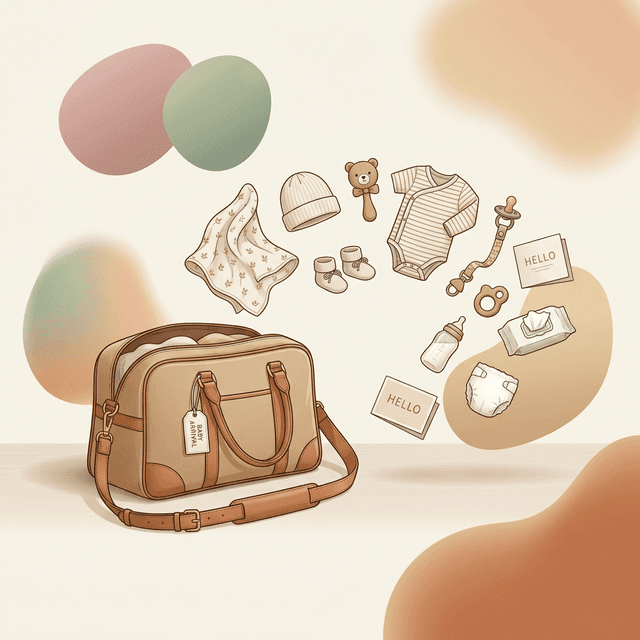
If you search the internet for "hospital bag checklists," you will find lists advocating you pack everything from essential oils to your own pillows and a Bluetooth speaker system.
While comforts are nice, overpacking often leads to frantic searching through massive duffels while in active labor. Here is the curated, essential list of what you actually need — organized by who it's for and when you should have it ready.
The Absolute Essentials (Have these ready by 35 weeks)
These items go in the bag first and should be in an easily accessible front pocket. You will need them the moment you walk through the hospital doors.
- Photo ID, Insurance Card, and Hospital Registration Forms: Some hospitals allow pre-registration online — do this if you can. It saves 20 minutes of paperwork during contractions.
- Birth Plan (if you have one): Bring 3-4 printed copies. Your nurses will change shifts, and each one should have a copy. Keep it to one page — bullet points, not paragraphs.
- Extra-long Phone Charging Cables (10ft+): Hospital outlets are notoriously far from the beds. Bring two cables so both parents can stay connected. A portable battery pack is also a good backup.
- Lip Balm and Hair Ties: Hospitals are incredibly dry environments, and labor is hard work. Your lips will crack. Bring a good balm and several elastic hair ties.
- Snacks: Labor can last 12-36 hours, and hospital cafeterias close. Pack granola bars, dried fruit, crackers, and electrolyte drinks. These are primarily for the support partner — the birthing parent may have dietary restrictions depending on the birth plan, but will want snacks for recovery afterward.
For the Birthing Parent
Pack these in the main compartment. Aim for one small duffel — not a suitcase.
- A loose, dark-colored robe or cardigan: For walking the halls during labor and for easy access during skin-to-skin after delivery. Dark colors hide stains. A front-opening robe is ideal for breastfeeding.
- A comfortable going-home outfit: Think maternity clothes around the 6-month mark size. Your body does not immediately return to its pre-pregnancy shape. Loose, dark sweatpants or a maxi dress with a stretchy waistband works best. Do not bring jeans.
- Nursing bras / Nursing tanks (if planning to breastfeed): 2-3 are plenty. Choose ones without underwire for the first few days.
- Slip-on shoes or grip socks: Your feet may swell significantly, and you will not want to bend over to tie laces. Grip socks are safer than regular socks on hospital floors.
- Toiletries: Travel-sized shampoo, conditioner, body wash, toothbrush, toothpaste, deodorant, and face wash. The hospital provides basics, but your own brand feels much better after delivery. That first post-delivery shower is a life event — make it a good one.
- Glasses or contacts (if applicable): If you normally wear contacts, bring your glasses as a backup. You may not want to deal with contacts during labor.
- Pillow from home (optional): This is the one comfort item worth the space. Hospital pillows are notoriously flat and wrapped in crinkly plastic. Use a colored pillowcase so it doesn't get mixed in with hospital linens.
For the Support Partner
This person is often forgotten in hospital bag guides, but they will be there for potentially days.
- A change of clothes: At minimum, a fresh shirt, underwear, and socks. Hospital rooms are either freezing or boiling — bring layers.
- Toiletries: Toothbrush, deodorant, and face wash. You will want to freshen up.
- Entertainment for the long haul: A book, headphones, or a tablet loaded with shows. Early labor can last many hours, and there will be stretches of downtime. Do not feel guilty about this — resting when you can is smart.
- Cash and coins: Some hospitals still have vending machines and parking meters that only take cash. Bring $20 in small bills and coins.
- A swimsuit (seriously): If the birthing parent wants to labor in the shower or tub, you may want to get in with them to provide support. A swimsuit lets you do this without soaking your only change of clothes.
For the Baby
Pack the baby's items in a separate, smaller bag for clarity.
- An FDA-approved Car Seat: This is non-negotiable. It must be installed in your car before you go to the hospital. Practice the installation at least once before the due date. Many fire stations offer free car seat inspections. You cannot leave the hospital without a properly installed car seat.
- Going-home outfit: Bring one in "Newborn" size and one in "0-3 Months" size, as ultrasound weight estimates can be off by a pound or more. Choose something with a zipper or snaps (not buttons — you will be sleep-deprived and fumbling).
- A warm blanket or swaddle: To tuck around the baby over the car seat straps when leaving the hospital. Do not put bulky clothing or snowsuits under the harness straps — they prevent a snug fit and are a safety risk.
- A hat: Newborns lose heat rapidly through their heads. Even in warm weather, bring a lightweight cotton hat.
What to Leave Home
Overpacking creates stress. These items are commonly recommended but unnecessary:
- Diapers and wipes: The hospital will provide these for your entire stay. You can usually take the opened packs home with you — ask your nurse.
- Massive amounts of clothes: You will spend most of your time in a hospital gown or robe, performing skin-to-skin. You do not need a new outfit for every day. One going-home outfit is enough.
- Newborn care books: You will not read them during your stay. The nurses are your best resource — ask them everything.
- Expensive jewelry or valuables: Hospital rooms are not secure. Leave anything you would be upset to lose at home.
- A large suitcase: If it doesn't fit in the corner of a hospital room without blocking the door, it's too big. One duffel per person, maximum.
The Final Check: A Week Before Your Due Date
Run through this quick list:
- Car seat installed and inspected.
- Hospital bag packed and by the front door.
- Phone numbers saved: OB/midwife, hospital labor and delivery, pediatrician.
- Pet and childcare plan confirmed (if applicable).
- A clear route to the hospital driven at least once — including where to park.
Keep the bag light, accessible, and practical. The focus should be on the delivery, not the luggage.
Still haven't settled on a name? There's still time. A HushName consultation can help you find the perfect name before the big day.
Keep reading
Anime Baby Names: 40 Character-Inspired Picks
Anime-inspired names are a breakout trend in 2026. From Anya (Spy x Family) to Hinata (Naruto), explore 40 names crossing from screen to birth certificate.
CultureBaby Names Banned Around the World: Rules & Surprises
Some countries have strict baby naming laws — approved lists, gender requirements, even character limits. Here are the wildest rules worldwide.
PsychologyBaby Names Both Parents Will Love: How to Agree
Can't agree on a baby name? You're not alone. Research-backed strategies for finding names that satisfy both parents — without compromising on what matters.
Want more resources like this?
Sign up for a free HushName account to access advanced baby name tools, co-parent linking, and deeper insights into family naming psychology.
Create a Free Account