The Identity Shift of Becoming a Mother
Matrescence is as significant a transformation as adolescence. Here's what psychology says about this invisible metamorphosis.
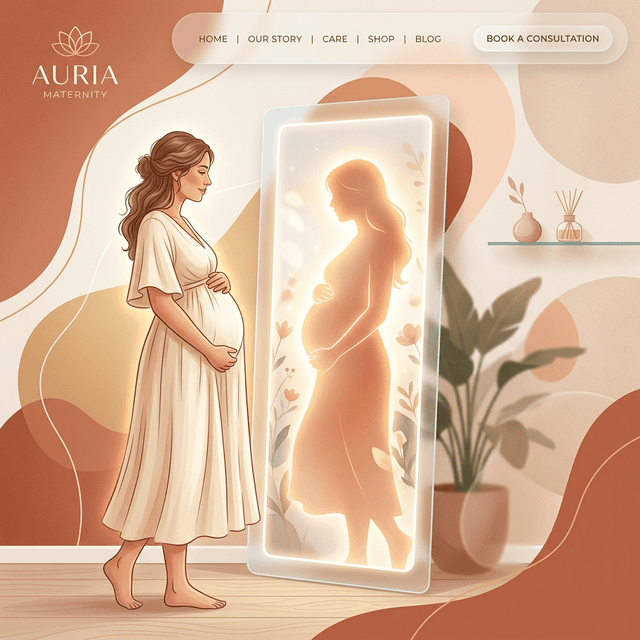
Becoming a mother is often heralded as one of life's most joyous occasions. Yet, beneath the baby registries and nursery decorating lies a profound psychological transformation that society rarely discusses: matrescence.
First coined by anthropologist Dana Raphael in the 1970s, matrescence describes the physical, psychological, and emotional changes an individual goes through during the transition to motherhood. It is a developmental phase comparable in scope and intensity to adolescence.
Why Does It Feel So Disorienting?
Just as a teenager's body and mind undergo radical hormonal and social shifts, a new mother experiences a similar upheaval. The sudden shift from independence to total responsibility for a vulnerable life can lead to an identity crisis. You are no longer solely the person you were before, yet you haven't fully grown into this new "mother" identity.
This duality often creates conflict:
- Mourning your past freedom while fiercely loving your child.
- Feeling overwhelming joy alongside profound isolation.
- Desiring your pre-baby body while marveling at what it just accomplished.
Navigating the Metamorphosis
The key to navigating matrescence is acknowledgment. Recognizing that feeling lost, overwhelmed, or "different" isn't a sign of failing at motherhood—it's a symptom of a massive identity shift.
- Give yourself grace: You are giving birth not just to a child, but to a new version of yourself.
- Speak about the hard parts: Connecting with other mothers who can validate your complex emotions reduces feelings of isolation.
- Hold space for the "and": You can love your baby and miss your old life. These truths can coexist.
Matrescence is not a condition to be cured, but a transition to be supported. By understanding this shift, we can better hold space for mothers as they find their new footing.
Your partner may be experiencing a parallel transformation. Learn about the quiet revolution of fatherhood.
If you are navigating this identity shift while also trying to choose a name for your little one, a personalized HushName consultation can take one major stressor off your plate.
Keep reading
Fatherhood: The Quiet Revolution Within
New research reveals that fatherhood rewires the brain. Understanding patrescence — the transition to fatherhood — is key to a healthy family.
TrendsAnime Baby Names: 40 Character-Inspired Picks
Anime-inspired names are a breakout trend in 2026. From Anya (Spy x Family) to Hinata (Naruto), explore 40 names crossing from screen to birth certificate.
CultureBaby Names Banned Around the World: Rules & Surprises
Some countries have strict baby naming laws — approved lists, gender requirements, even character limits. Here are the wildest rules worldwide.
Want more resources like this?
Sign up for a free HushName account to access advanced baby name tools, co-parent linking, and deeper insights into family naming psychology.
Create a Free Account